Source all weather car floor mat for SUVs, Sedans, and Trucks
Compare 30 listings for all weather car floor mat options featuring PVC, PU, and rubber materials with custom shapes and OEM logo acceptance. Buyers can evaluate specifications including dimensions, packaging, and lead times from manufacturers in Zhejiang, China.
Key considerations
Products List


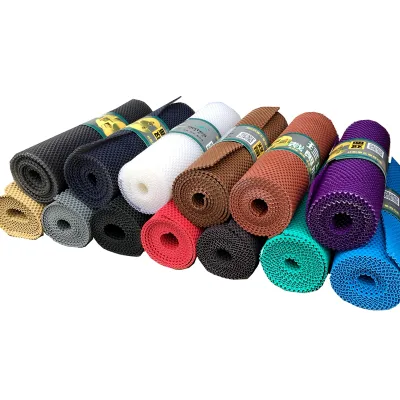
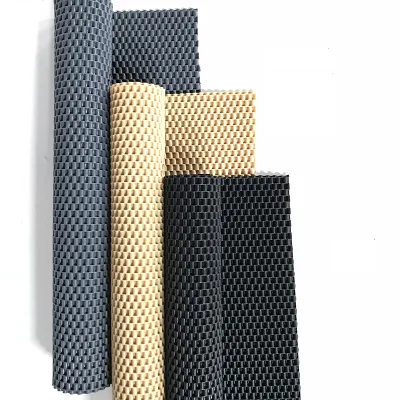
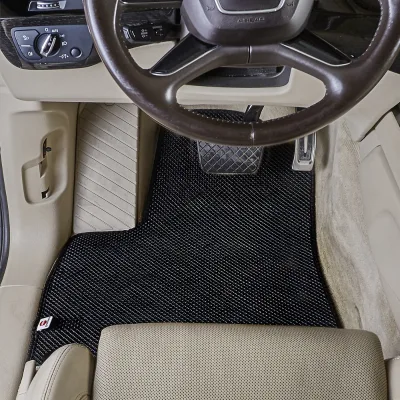
Comprehensive Sourcing Guide
Strategic Sourcing Guide for All-Weather Car Floor Mats
The global automotive aftermarket continues to demand robust, high-performance interior solutions, with all-weather car floor mats representing a critical segment for vehicle protection and aesthetic customization. For B2B procurement professionals, navigating this market requires a disciplined approach that distinguishes between generic inventory and specialized, supply-chain-ready products. The current landscape is defined by a diverse array of materials, manufacturing techniques, and customization capabilities. Buyers must move beyond simple price comparisons to evaluate the technical specifications, certification compliance, and logistical frameworks that define a reliable supply partner. This guide provides a comprehensive framework for sourcing these essential automotive accessories, grounded in observable market data and rigorous verification protocols.
Material Composition and Manufacturing Technologies
The foundation of any all-weather floor mat lies in its material composition and the specific manufacturing technology employed. The market currently exhibits a clear segmentation based on the primary polymer or composite used. Polyvinyl Chloride (PVC) remains a dominant material, valued for its water resistance, durability, and ease of cleaning. Products utilizing PVC are often engineered through machine molding processes, which allow for precise dimensional control and the creation of complex, three-dimensional shapes that contour to specific vehicle footwells. This molding technique ensures that the mat acts as a barrier against mud, water, and debris, preventing them from reaching the vehicle's original carpeting.
Conversely, Polyurethane (PU) and rubber-based mats offer alternative performance profiles. PU mats are frequently associated with machine weaving techniques, providing a different texture and flexibility compared to molded PVC. Rubber mats, often cited for their heavy-duty applications, provide superior anti-slip properties and are particularly suitable for commercial fleets or vehicles operating in extreme conditions. The choice between these materials is not merely aesthetic; it dictates the mat's longevity, chemical resistance, and thermal stability. Procurement teams must verify the specific material grade listed in the product specifications, as "PVC" or "Rubber" can encompass a wide range of quality tiers. The manufacturing method—whether machine molding, machine weaving, or other specialized techniques—directly influences the final product's structural integrity and its ability to maintain shape under stress.
Technical Specifications and Dimensional Standards
Precision in technical specifications is paramount when sourcing custom-fitted automotive mats. Unlike universal mats that rely on a one-size-fits-all approach, high-performance all-weather mats often require exact dimensional adherence to the vehicle's interior geometry. The market data indicates a spectrum of standardization, ranging from universal fitment to highly customized dimensions. Some product lines are defined by specific model numbers, such as 102150 or 102019, which correspond to distinct size configurations. For instance, specific standards may dictate front sizes of 7453 cm or middle sizes of 5625 cm, while other specialized products may adhere to three-dimensional profiles measuring 807535 cm.
Buyers must scrutinize the "Shape" attribute, which varies between flat, universal, and three-dimensional configurations. Three-dimensional mats are engineered to provide maximum coverage and containment, often featuring raised edges to trap liquids. The "Standard" field in supplier data often reveals whether a product is designed for a specific car model provided by the client or if it adheres to a universal export standard. When evaluating suppliers, procurement officers should request detailed dimension sheets for every SKU. Relying on vague descriptions like "custom size" without specific measurement tolerances can lead to fitment issues and high return rates. The ability of a supplier to produce mats based on client-provided car models is a significant differentiator, indicating a flexible manufacturing capability that aligns with the specific needs of automotive retailers or fleet managers.
Compliance, Certification, and Management Standards
In the B2B automotive sector, compliance and certification are not optional add-ons but fundamental requirements for market access and liability management. While specific third-party safety test results for every individual mat are not always publicly listed in general catalogs, management certifications serve as a proxy for a supplier's operational maturity and quality consistency. The presence of ISO certifications, including ISO/TS standards, is a strong indicator that a manufacturer adheres to international quality management systems. These certifications suggest that the supplier has established protocols for production consistency, traceability, and risk management.
Buyers should verify the specific scope of these certifications. A supplier listing "ISO" or "ISO/TS" alongside their product line demonstrates a commitment to standardized processes. However, it is crucial to distinguish between management system certifications and product-specific safety certifications. While management certifications ensure the factory operates efficiently, they do not automatically guarantee that every batch of mats meets specific flammability or chemical emission standards required in certain jurisdictions. Procurement teams must explicitly request documentation regarding chemical compliance (such as REACH or RoHS) and flammability ratings relevant to the target market, particularly for North American and European destinations. The absence of explicit product safety data in a supplier's initial listing should trigger a deeper audit of their quality assurance documentation before any order is placed.
Cost Drivers and Minimum Order Quantity Analysis
Understanding the cost structure of all-weather car mats is essential for accurate budgeting and margin planning. The observed market price range for these products spans from approximately $2.20 to $29.99 USD, a variance that reflects differences in material quality, manufacturing complexity, and customization levels. A flat, universal PVC mat will naturally command a lower price point compared to a custom-molded, three-dimensional mat featuring a custom logo and premium rubber composition. The "Technics" attribute, such as machine molding versus machine weaving, also impacts production costs, with molding often requiring higher initial tooling investments that are amortized over larger volumes.
Minimum Order Quantity (MOQ) is another critical cost driver. The market data reveals a wide range of MOQs, from as low as 50 sets to as high as 1000 pieces, with a specific observed standard of 600 pieces for certain product lines. Suppliers offering lower MOQs, such as 50 sets, are typically catering to smaller retailers or testing new designs, but they may charge a premium per unit. Conversely, suppliers with higher MOQs often offer more competitive unit pricing, making them suitable for large-scale distribution. Buyers must balance their inventory needs against the financial commitment required by the MOQ. Additionally, the "Supply Type" being "Make-to-Order" implies that production is triggered by the purchase order, which can affect lead times and cost structures compared to ready-to-ship inventory.
Supplier Evaluation and Logistics Capabilities
Selecting the right supplier involves a holistic evaluation of their logistical capabilities, customization options, and market reach. A robust supplier should demonstrate flexibility in customization, including the ability to accept OEM logos and offer optional color schemes. The availability of customization is a key differentiator, allowing buyers to brand the product for their specific retail channels or corporate clients. The packaging method is also a vital logistical consideration; products may be shipped in color cards with hangers for retail display, in carton boxes for bulk efficiency, or in plastic hooks with head paper and bags for individual unit protection.
Geographic location and port access are fundamental to the supply chain's efficiency. Many suppliers in this sector are located in Zhejiang, China, a major manufacturing hub known for its automotive accessory industry. These suppliers typically utilize major ports such as Shanghai and Ningbo for export. Buyers should verify the lead times associated with different order sizes and customization levels. While some standard products may have shorter turnaround times, custom-molded mats with specific logos can require extended production windows, with some observed lead times reaching 40 days for specific packing configurations. Furthermore, the "Main Market" focus of a supplier, whether it be North America, Southeast Asia, or global, can indicate their familiarity with regional regulatory requirements and consumer preferences. A supplier primarily serving North America, for example, is likely more attuned to the specific safety and quality expectations of that market.
Quality Control and Long-Term Procurement Strategy
Ensuring consistent quality in all-weather car mats requires a proactive quality control strategy that extends beyond the initial order. Given the functional nature of these products, buyers must establish clear acceptance criteria regarding the mat's shape, material integrity, and anti-slip performance. The "Feature" of being "Easy Cleaned" is a common selling point, but it must be validated through physical testing or detailed material specifications. For long-term procurement, building a relationship with a supplier who offers "Make-to-Order" capabilities allows for continuous product iteration and improvement based on market feedback.
Buyers should implement a phased approach to supplier engagement. Start with a small trial order to verify the actual product quality against the provided specifications, checking for issues such as material odors, uneven molding, or logo misalignment. Once the quality is validated, negotiate volume-based pricing tiers that align with the supplier's MOQ structure. It is also advisable to maintain a diversified supplier base to mitigate risks associated with production delays or capacity constraints. Finally, regular audits of the supplier's management certifications and production processes ensure that the quality standards remain consistent over time. By focusing on these strategic elements, buyers can secure a reliable supply of high-quality all-weather car floor mats that meet the demands of their customers while maintaining operational efficiency.
FAQs
What materials are used for all weather car floor mats?
Common materials include PVC, PU, and rubber, each offering distinct durability and cleaning properties. PVC mats are often machine molded for precise fitment, while PU and rubber options provide different textures and heavy-duty anti-slip performance suitable for various vehicle environments.
Which certification standards do suppliers typically hold?
Suppliers often hold ISO and ISO/TS management certifications to ensure consistent quality and operational maturity. While these indicate robust factory processes, buyers should verify specific product safety compliance like chemical emissions for their target markets before placing large orders.
How does the MOQ affect the pricing of mats?
Minimum Order Quantities range from 50 sets to 1000 pieces, directly influencing unit costs. Lower MOQs like 50 sets may suit smaller retailers but often carry higher per-unit prices compared to bulk orders that leverage economies of scale in production.
Can I customize the logo and color of the mats?
Yes, customization is available for both logos and colors, allowing for branded retail products. Suppliers accept OEM logos and offer optional color schemes, though custom designs may require longer lead times and specific packing configurations like cartons or color cards.
What are the standard dimensions for these floor mats?
Dimensions vary from universal sizes to specific custom measurements like 74*53 cm for front sizes. Some three-dimensional mats follow specific standards such as 80*75*35 cm, while others rely on client-provided car models for exact fitment in complex footwells.
Where are the main manufacturing locations for these mats?
Most manufacturers are located in Zhejiang, China, a major hub for automotive accessories. These factories typically ship via major ports like Shanghai and Ningbo, ensuring efficient logistics for international buyers targeting markets in North America or Southeast Asia.